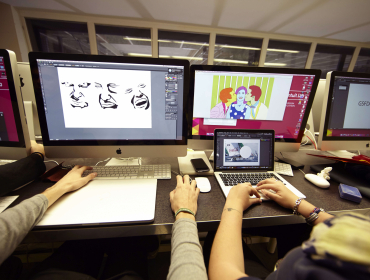

Web designer studies
Share
Web designer studies: understand everything about the profession
The profession of web designer
A web designer is a digital design professional who specializes in creating the visual appearance of a website or application. Their role is both aesthetic and functional: they design attractive, intuitive interfaces that are suitable for all screen formats. Unlike a developer, they don't code the entire site, but instead master the technical constraints to optimize its visuals.
From the earliest stages of a project, the web designer participates in strategic planning and graphic design . They analyze the brief, study the client's needs, the brand's identity, and current graphic trends. In collaboration with the art director, they define the site's structure, usability, page architecture, and potential interactions.
The graphic design phase includes the creation of mockups, storyboards, and visual elements such as pictograms, icons, illustrations, banners, and animations. The design is adapted to different media (desktop, mobile, tablet) while respecting ergonomics and readability. SEO and navigation fluidity are also taken into account.
Once the graphic charter is approved, the designer moves on to final production using software such as Photoshop, Illustrator, Figma, or Adobe XD. They plan their work, collaborate with other professionals (web developers, motion designers, etc.), brief service providers if needed, and ensure the visual quality of each deliverable. Discover our design schools in Marseille.
The web designer profession requires a solid graphic design background, an analytical mind, and a keen curiosity. The industry is evolving rapidly: you need to know how to test new tools, keep up with design trends, and understand how internet users use their tools to stay relevant.
Why choose web design studies today?
Choosing to study web design means heading towards a creative and sought-after career. Digital technology is omnipresent in our daily lives. Businesses need websites and applications with clear and effective designs. Web designers meet this demand by creating suitable visual interfaces.
These programs allow students to develop a variety of skills, both artistic and technical. They provide solid training in UX design, visual identity, responsive design, and animation.
The digital design sector is evolving rapidly. Training or digital coaching today provides an up-to-date and flexible foundation. The job market remains dynamic, with numerous opportunities in diverse sectors.
Web designer studies: training, opportunities, career paths
What training courses should I take after the baccalaureate?
After high school, there are several training programs available to become a web designer. Here are the main options:
- The Specialized Bachelors in web design, in higher education establishments.
- Le BTS Graphic design, digital communication option as offered by the school ITIS
- Le DN MADE Digital, which combines design, image and interaction.
- Some artistic preparatory classes or preparatory classes in applied arts.
These programs generally last between two and three years. Some schools offer longer courses, culminating in a Master's degree (five years of higher education). Depending on the project, it is possible to specialize in UX design, animation, motion design, marketing design , etc.
There are also short professional training programs for adults looking to retrain or expand their expertise in the field of design. These intensive programs allow you to quickly learn the basics. They often include internships or hands-on projects.
The content of the web designer training
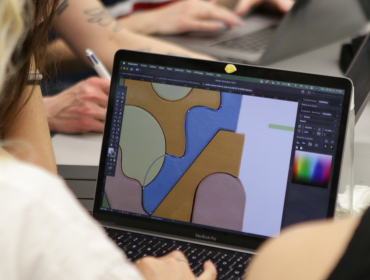
During these studies, a web designer will learn to use creative software, such as Photoshop, to edit images; Illustrator, to create vector graphics; and Figma or Adobe XD, to create interactive mockups.
Basics of HTML, CSS and sometimes JavaScript, to better understand technical constraints.
But that's not all. UX design (user experience) and UI design (user interface) courses are also available. These skills are essential for creating effective and intuitive websites.
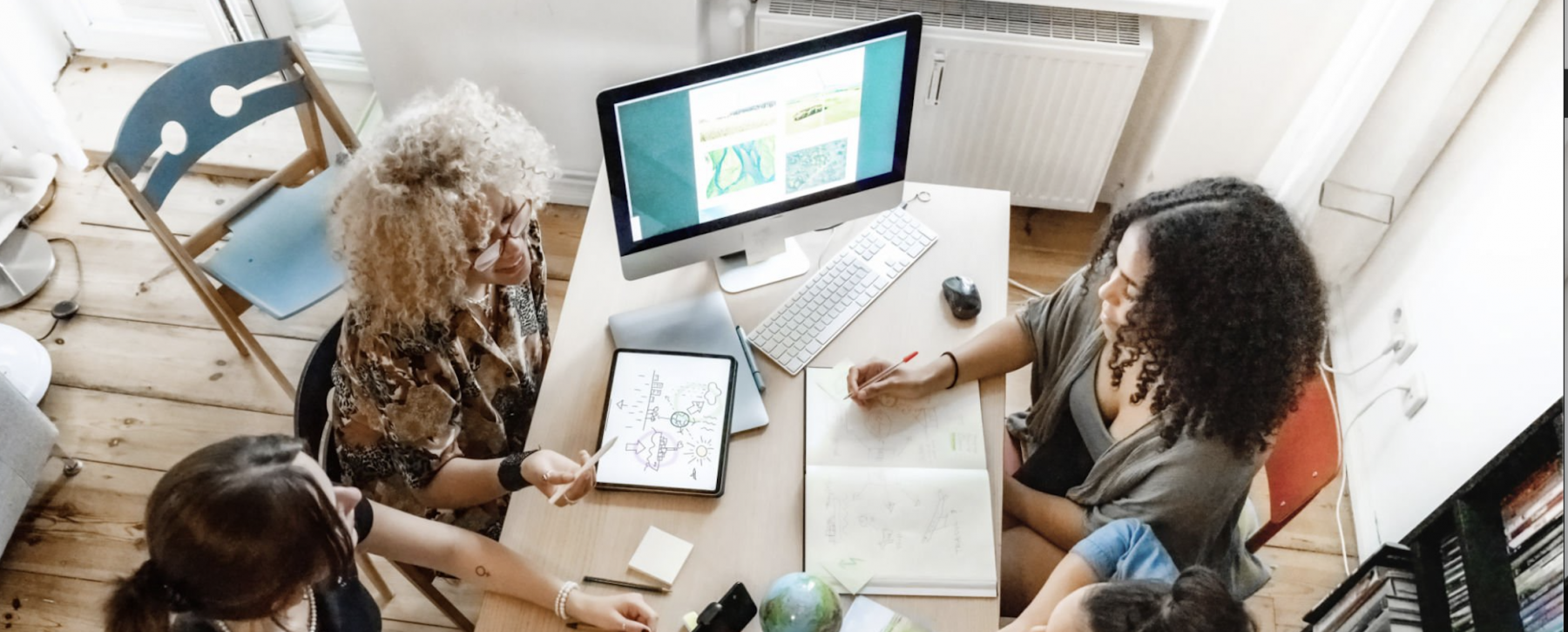
Web design studies often include group projects. These allow students to learn how to present their ideas, work in a team, and meet deadlines. These experiences are particularly formative.
What careers can you pursue after studying web design?
After studying web design, several career paths are possible depending on the skills developed. It is possible to apply for various positions related to the growth of digital design, such as:
- Junior web designer, in an agency or within a company,
- UI designer, specialized in the creation of graphical interfaces,
- UX designer, focused on ergonomics and user experience,
- Web Integrator, for those who are familiar with HTML and CSS,
- motion designer, to create animations or video content.
Freelancing is also an option. It allows you to choose your projects, your hours, and your clients. However , this freedom requires autonomy, discipline, and good organizational skills.
Possible career developments
With experience, several career paths are possible after studying web design . Some professionals move into positions with greater responsibility, such as:
- Artistic director, guarantor of the visual identity of a project or a brand,
- Lead UX/UI designer, in charge of a team of designers,
- Digital project manager, who supervises a web project from its conception to its launch,
- Trainer ou speaker, to pass on his skills to future creatives.
It's also possible to specialize further. For example, in mobile design, digital accessibility, or ethical design. The web industry is constantly evolving. Web design studies provide a solid foundation, but learning continues throughout one's career through ongoing training.