

Mastering motion design
Share
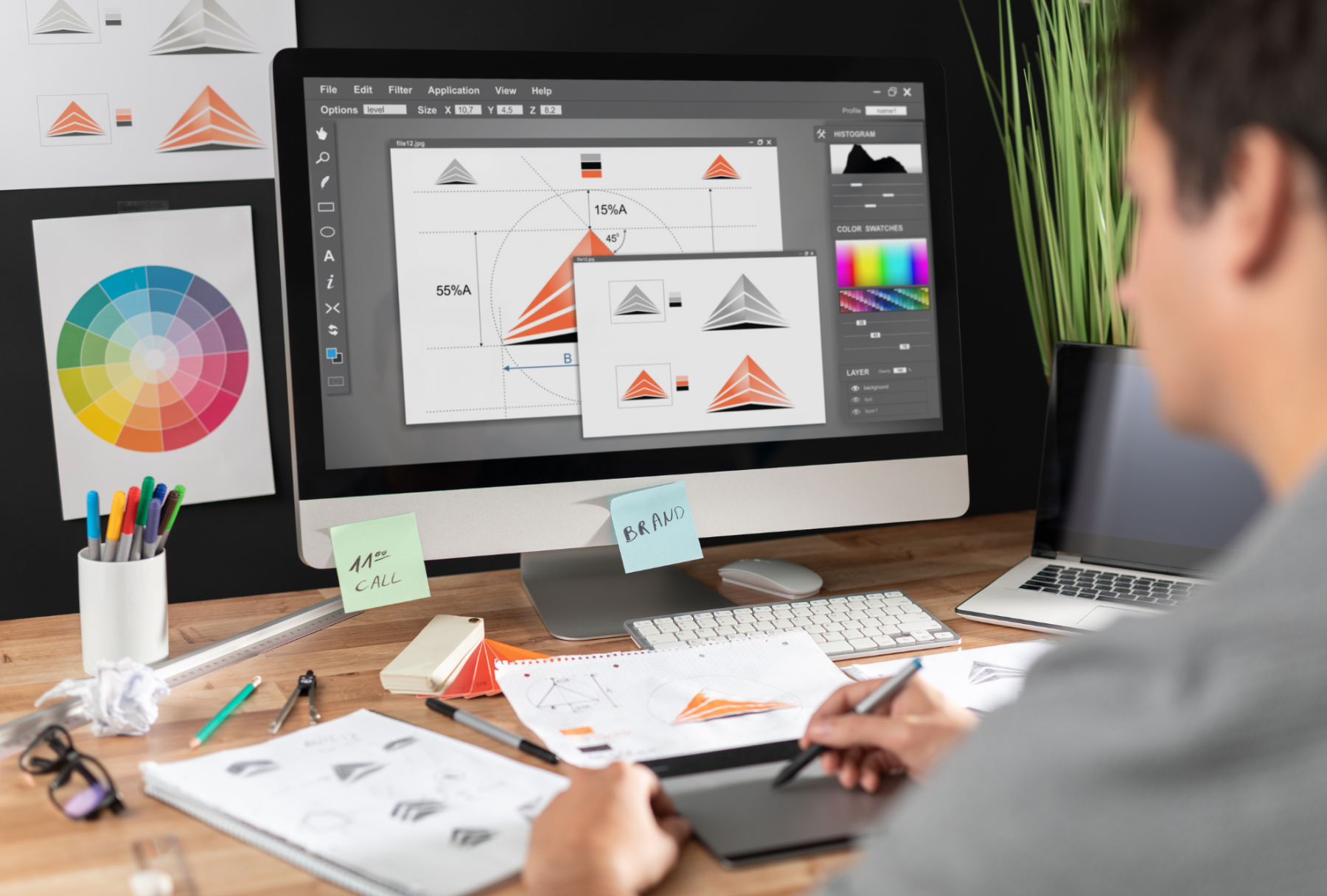
Motion design combines graphic elements with audiovisual techniques to create dynamic and attractive animations. This art form has become fundamental in several sectors such as cinema, television, online advertising, video games, and even mobile applications. Motion design is applied to convey messages, tell stories, or rather captivate the audience with breathtaking visuals.
With the advent of digital technologies and the democratization of creative tools, motion design has evolved spectacularly. Today, it is no longer reserved for large productions, but is accessible to all those who have a passion for visual creation and digital storytelling.
Key techniques and tools
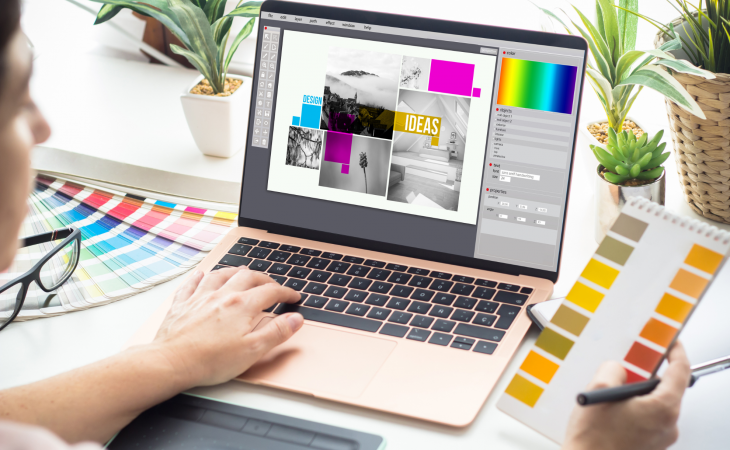
To become a skilled motion designer , mastering a variety of software and tools is crucial. Among the most widely used are Adobe After Effects, essential for creating complex animations and visual effects; Cinema 4D, ideal for 3D modeling, animation, and rendering; and Maya, used for more advanced 3D animations.
In addition to these software, the principles of animation play a decisive role. These principles, established by the pioneers of Disney, include concepts such as anticipation, exaggeration, timing, and ease in and out. Understanding and applying these principles helps create animations that look natural and engaging.
Motion design isn't just about software or technical mastery, it's also about understanding how visual elements interact with audio. Designers must therefore develop an ear for rhythm and synchronization in order to consolidate the visual impact of their creations.
Training and professional development
For those aspiring to a career in motion design, specialized training is often a wise path. The renowned Intuit Lab motion design school offers programs that cover all the fundamental aspects of the discipline, from theory to advanced practice. These programs are designed to align with current trends and future market needs, ensuring that the skills acquired remain relevant and in demand.
The importance of a good training program cannot be underestimated. It provides the necessary technical skills, but also offers valuable exposure to real-world projects and the opportunity to build a professional network. Students learn to work on real client briefs, meet tight deadlines, and develop their own unique aesthetic sense. The motion design program at Intuit Lab is ideal for developing in this field, as it helps students become confident and creative professionals, ready to enter the job market.
In conclusion, motion design is a captivating discipline that mixes art, technology and communication. With the right tools, techniques, and training, aspiring designers can not only keep up with, but influence trends in digital design. For those attracted by the possibility of creating captivating visual works, motion design offers a path full of creative and professional possibilities.