


AI graphics: a creative revolution underway
Share
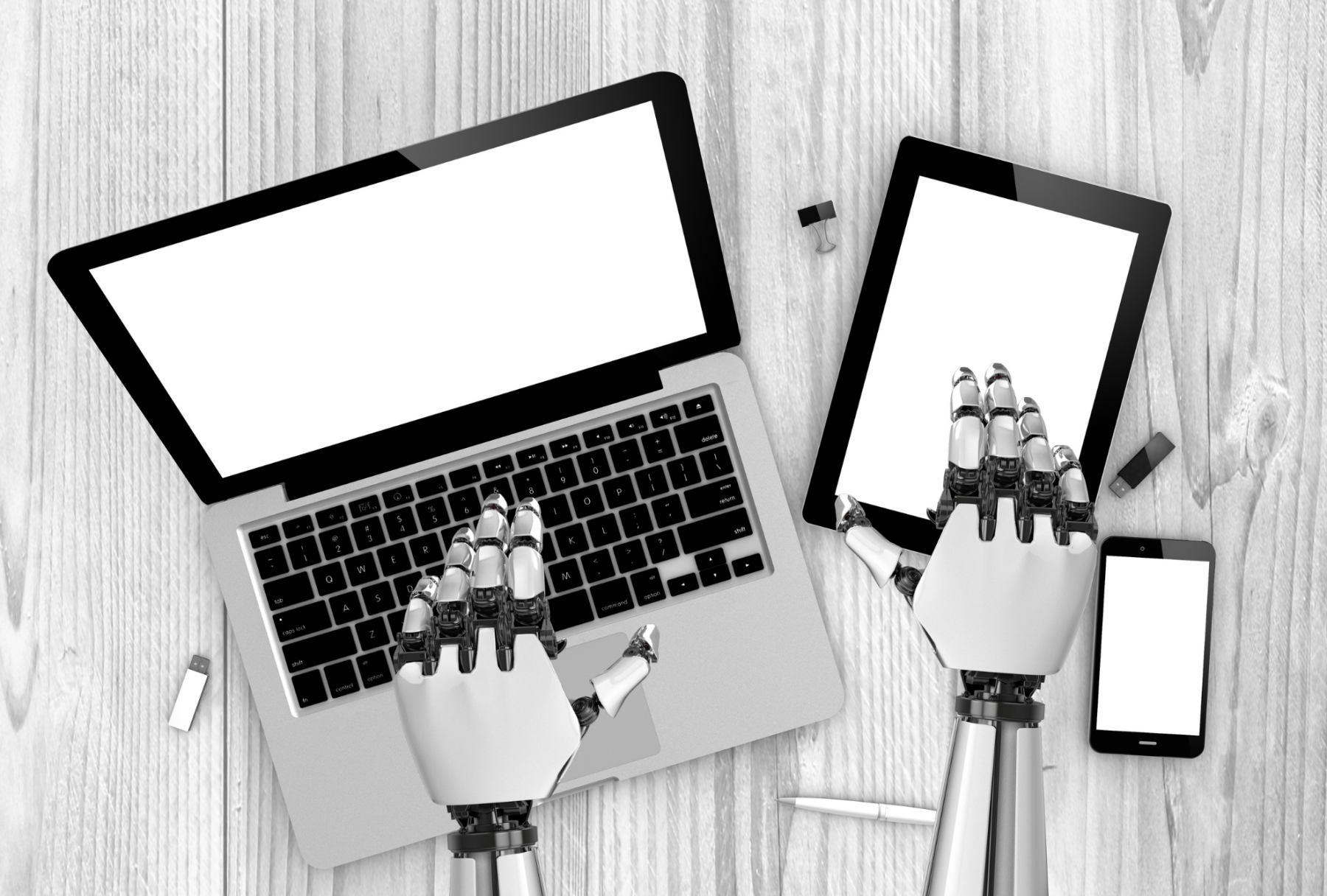
Artificial intelligence (AI) has transformed many sectors, and graphic design is no exception. This field, once dominated by traditional tools and human creativity, is now marked by the emergence of technologies capable of automating, assisting, and amplifying the visual creation process. This integration of AI opens up new perspectives, not only by optimizing repetitive tasks but also by pushing the boundaries of designers' imagination.
AI, through sophisticated algorithms and massive data processing capabilities, is becoming an indispensable ally for graphic design professionals . It offers powerful tools that facilitate image generation, logo design, photo retouching, and even the personalization of visuals according to user preferences.
Technological advances in graphics thanks to AI
AI at the service of graphic design
The integration of AI into graphic design began modestly, with academic experiments that seemed futuristic at the time. Today, these technologies have evolved into essential tools in designers' arsenals. AI now makes it possible to design graphic elements with unprecedented precision and speed, freeing graphic designers from tedious tasks so they can focus more on innovation.
AI-powered software, such as Adobe Firefly or Stable Diffusion , offers advanced features for manipulating, editing, and creating unique graphic elements. These tools don't just follow user instructions; they are capable of learning and adapting to deliver results that often exceed expectations.
Practical applications of AI in graphics
The practical applications of AI in graphic design are vast and diverse. For example, AI algorithms can automatically generate designs , layouts, or logos, taking into account user specifications. Furthermore, they can personalize visuals based on user preferences, which is particularly useful in marketing campaigns and on social media.
AI also improves photo retouching and image restoration by automating processes that previously required hours of meticulous work. This allows graphic design professionals to dedicate more time to creative tasks while benefiting from tools that increase their productivity and workflow efficiency.

AI: a tool to boost the skills of graphic designers
Automation of repetitive tasks
One of the main advantages of AI in graphic design is its ability to automate repetitive and tedious tasks. For example, cropping, image retouching, or automatic layout can be handled by algorithms, freeing up graphic designers to focus on more creative aspects of their work.
This automation isn't limited to simple tasks. AI tools can analyze entire workflows , identify inefficiencies, and suggest optimizations to improve productivity. By optimizing these processes, graphic design professionals can dedicate more time to innovation and exploring new ideas.
AI-assisted creation
AI not only simplifies tasks, but also acts as a catalyst for creativity. Computer-aided design tools allow graphic designers to quickly experiment with different ideas, generating design concepts in the blink of an eye. These tools provide a playground for testing creative hypotheses without fear of wasting time or resources.
Furthermore, AI can analyze user preferences and offer personalized recommendations, which is especially useful for graphic designers working on projects for a specific audience. By analyzing behaviors and trends, AI makes it possible to create designs that resonate with the target audience.

Revolutionary AI tools for graphics
AI-based image generators
One of the most impressive aspects of AI in graphics is its ability to generate images from simple text descriptions. Tools like Adobe Firefly and Stable Diffusion use sophisticated algorithms to transform text prompts into complex and aesthetically pleasing visuals.
These image generators are particularly useful for graphic designers who want to create custom image libraries without having to worry about copyright or the limitations of traditional stock photo sites. By generating unique patterns, textures, or visuals, these tools enrich the creative process while offering tailored solutions for each project.
Discover our new design school in Toulouse , which offers excellent quality support and courses.
Risks of using AI in graphics
However, using AI in graphic design is not without risks. AI algorithms often rely on global databases to generate images, which can lead to copyright issues if the generated creations are too similar to existing works. Graphic designers must therefore be vigilant and ensure they have the necessary rights to use AI-generated images.
Furthermore, it is crucial to understand that AI, while powerful, remains a tool. Graphic design professionals must continue to exercise their critical judgment and artistic sense to ensure that AI-generated creations meet high standards of quality and originality.

AI and the future of graphic design professions
The Impact of AI on Graphic Design Careers
The integration of AI into graphic design is transforming not only the tools but also the graphic design profession itself. While some tasks are becoming automated, new skills are required to master these emerging technologies. Graphic designers must now understand not only the basic principles of design but also how to use and integrate AI into their workflows.
This evolution also opens up new career prospects. AI graphics skills are becoming increasingly sought after, and professionals who master these tools are in a strong position in the job market. Whether in an agency, as a freelancer , or within a company, the opportunities are vast for those who know how to leverage technological advancements.
AI Training and Skills Development
To remain competitive in this constantly evolving landscape, it is essential to train in new technologies. Visual communication design training programs now include modules on AI and its application in graphic design . These programs enable graphic design professionals to acquire the skills necessary to use these tools effectively and ethically.
Furthermore, for those who wish to deepen their knowledge while working, options such as a work-study master's program in graphic design offer an excellent opportunity to combine theory and practice. This work-study approach allows students to apply the skills acquired in the classroom within a professional environment, thus strengthening their technical expertise and practical experience.
The integration of AI into graphic design represents a major evolution that is redefining the contours of creativity and visual production. While these technologies offer considerable advantages in terms of productivity and personalization, they also raise important questions regarding copyright and their impact on graphic design professions.
For graphic design professionals , it is essential to stay up-to-date with these developments and continue to develop their skills to adapt to this new environment. Training programs, such as those offered by the Paris campus design school Intuit Lab , are invaluable resources for those seeking to master these new technologies and integrate them into their daily practice.
Ultimately, AI doesn't replace human talent, but it offers powerful tools that, when used wisely, can enrich and amplify the creativity of graphic designers . The future of graphic design will undoubtedly be marked by close collaboration between human and artificial intelligence, opening new frontiers for artistic expression and visual communication.