

How to do effective graphic monitoring
Share
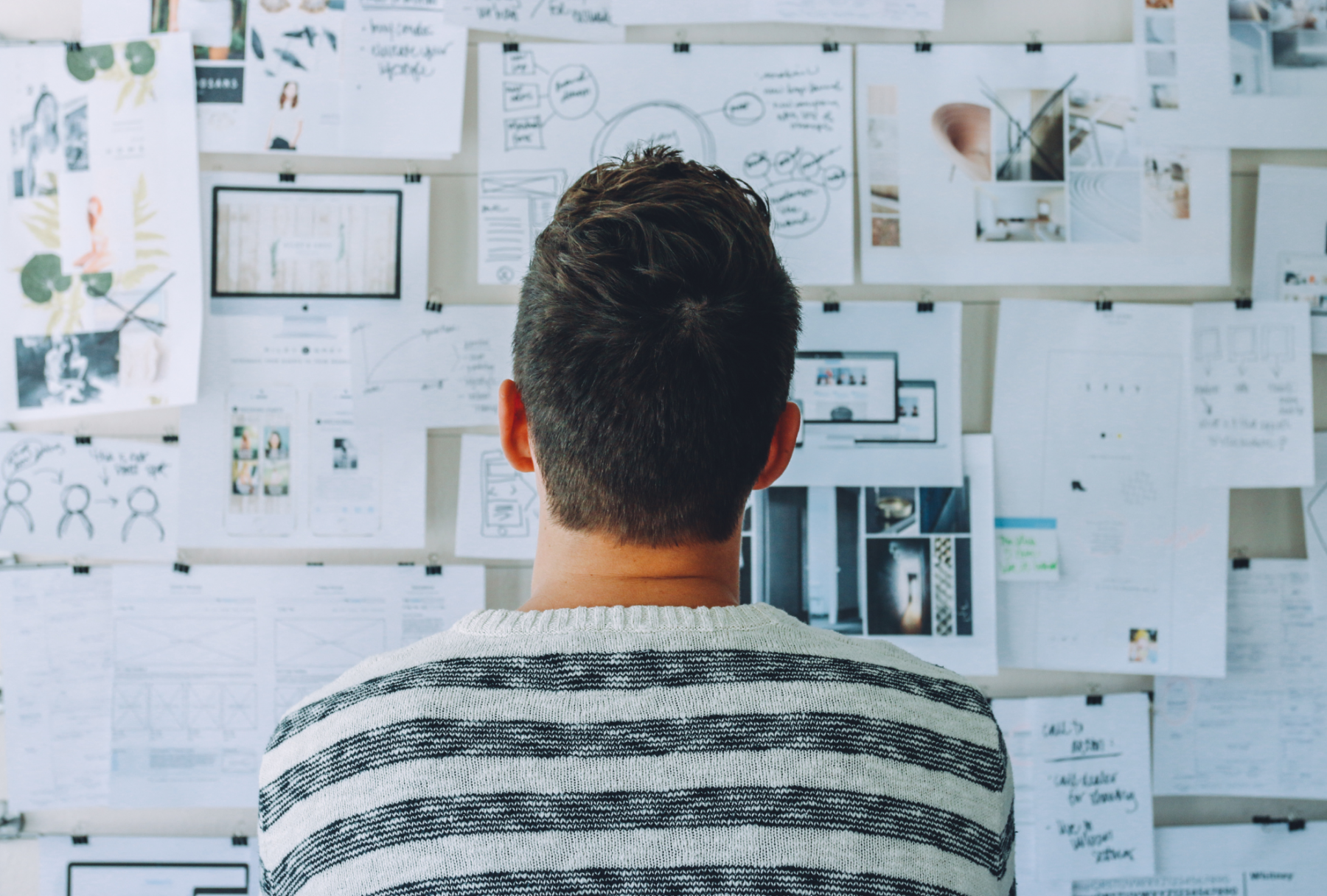
Why do graphic monitoring?
Graphic design monitoring isn't just a source of visual inspiration. It also plays a strategic role in helping to detect market expectations early on and monitor evolving aesthetic trends. Through it, design professionals can adjust their creations to reflect emerging trends and stay in step with the times.
By regularly observing what's happening in different sectors, we develop a better understanding of the visual codes specific to each field of activity. This not only allows us to identify dominant styles, but also to spot the implicit rules that structure an effective visual identity. It's a way to better understand standards, but also to question them and creatively break free from them.
Who is the game for?
For designers, this practice provides a valuable opportunity for analysis. It encourages them to dissect the constituent elements of a successful visual: composition, typographic choices, color schemes, textures, and even graphic rhythm. This observational work develops critical thinking and enriches visual culture.
In digital professions , graphic design monitoring must be accompanied by technical monitoring . Keeping abreast of developments in web technologies, programming languages, and interactive features allows for the design of interfaces that are both aesthetically pleasing and functional. This combined approach ensures consistency between design and technical performance, particularly for the creation of websites and web applications.
To further develop these skills, joining a graphic design school program can offer a structured framework to develop one's visual sensitivity, creative rigor, and technical mastery.

How to set up effective monitoring?
• There is no single way to monitor graphics. The key is to find one that works for you and that you can practice regularly.
• Some people start their day with 20 minutes of wakefulness. It's up to you to find the right rhythm: every day, once a week, only on weekends... Regularity takes precedence over duration.
• Feed your monitoring with varied content: graphic design, typography, trends, tools, animations, etc. The richer your monitoring, the more inspiring it will be.
• Monitor the work of your competitors, other creatives or studios. Knowing what is being done around you is always enriching.
Organize and benefit from your monitoring
• Organize your discoveries by theme: colors, typography, layouts, visual identities, etc. This will help you find them easily.
• A well-structured monitoring system becomes a valuable tool in your creative process. It saves you time and supports you in the long term.
• Curiosity, regularity, and organization are the pillars of effective monitoring. It then becomes a real professional asset.

Graphic monitoring: which sources should you use to stay up to date?
Getting inspired every day with social media
Social media has become a veritable breeding ground for graphic design trends . These platforms are accessible, visual, and constantly updated. Instagram, in particular, is very popular with designers. It allows them to follow specialized accounts, discover diverse graphic styles, and save their favorite inspirations in just a few clicks.
For a rich and varied monitoring, it is recommended to follow accounts that cover several aspects of design: typography, branding, illustration, UI design, layout, etc.
By diversifying the accounts you follow, you multiply the styles, techniques, and influences in your daily feed.
Use major design platforms
Certain platforms are essential for discovering the most innovative projects. They bring together creations from designers around the world and serve as an international showcase for current trends.
Behance and Dribbble are the most well-known. They not only allow you to view completed projects, but also to observe processes, mood boards, typographic research, and even visual variations. You can filter projects by theme, tool, or style, which facilitates targeted monitoring.
For those interested in the world of web and interface design, sites like Awwwards, CSS Awards, and CSS Nectar showcase the best current websites. You'll find concrete examples of innovative UI/UX design, often with explanations of the creative process.
Read specialized media and design blogs
If you want to go beyond the image, blogs and specialized media are essential resources. They offer in-depth articles, professional interviews, project analyses, and even thematic reports.
Many studios and agencies also publish articles on their websites. These blog posts are often very practical, with case studies and real context for the work done. Discover how AI is transforming graphic design today.
Integrating inspiration into your daily life
Your immediate environment is also a valuable source of inspiration. Street advertising campaigns, in-store product packaging, brand redesigns, or the interfaces of the apps you use are all elements to observe.
Get into the habit of analyzing what you see: what colors are used? What typography? What mood does the visual convey? This type of observation develops your critical eye and refines your understanding of current design codes.
Organize your monitoring with the right tools
For your monitoring to be truly useful, it must be organized. It's not enough to simply observe: you also need to archive your findings. Several tools can help you easily classify, sort, and find what you've observed:
-
Muzli: A browser extension that aggregates the latest news from multiple sites.
-
Designspiration: to record and explore visual inspirations.
-
Milanote or Notion: perfect for creating mood boards or structuring your finds by category.
-
ArtStation: More focused on illustration, concept art, and motion design.
Ideally, you should create thematic folders: "modern typography," "clean UI," "color mood boards," etc. This will save you valuable time when you start a new project. And if you want to take your learning even further, why not consider a work-study master's degree in graphic design?