

Design Thinking Workshop: A Complete Guide to Human-Centered Innovation
Share
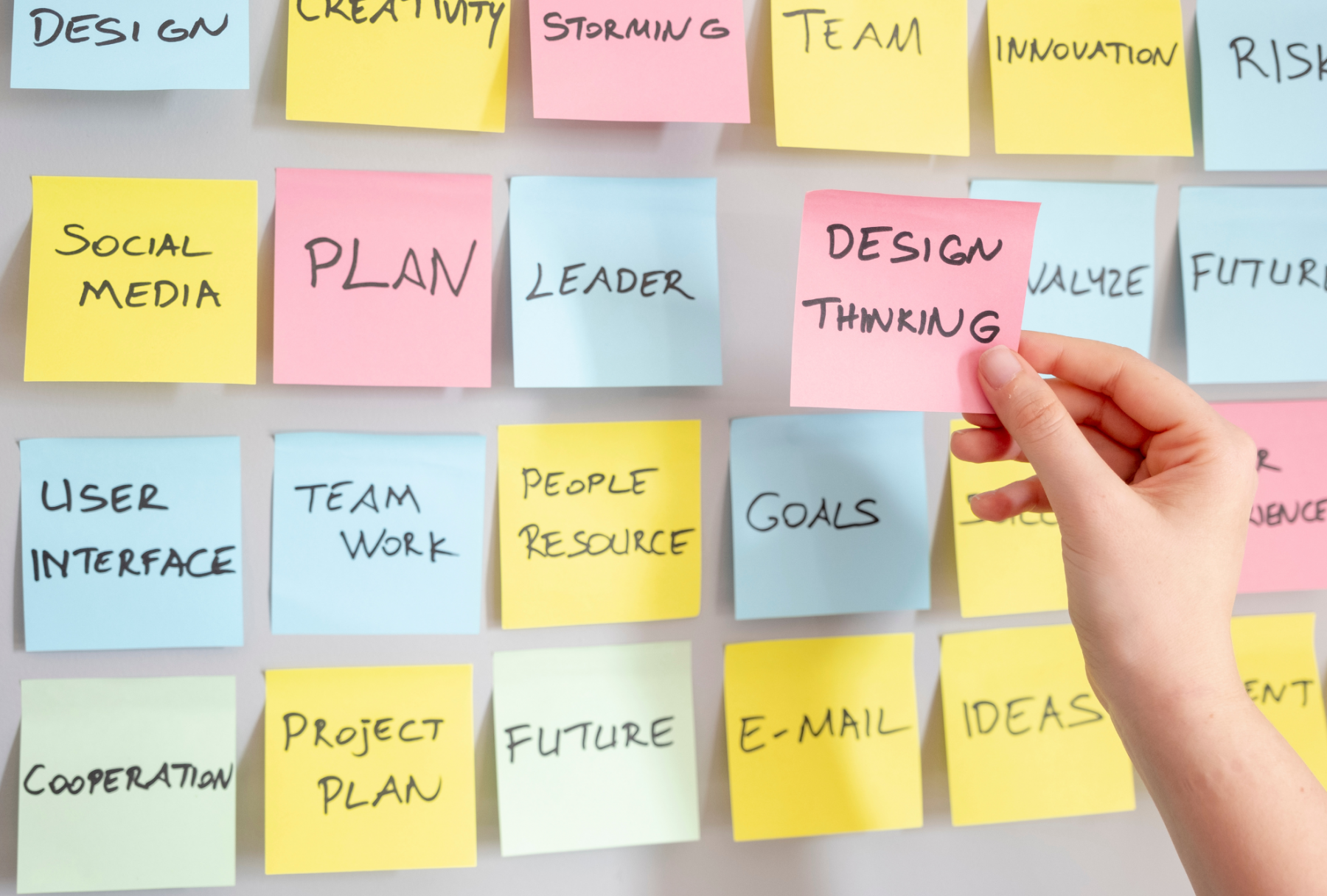
Design thinking has become an essential method in many sectors for fostering innovation, improving user experience, and solving complex problems. Organizing a design thinking workshop is a collaborative approach that generates innovative ideas while involving various stakeholders in a creative process. In this article, we will explore the steps, objectives, and best practices for conducting a successful design thinking workshop.
What is a design thinking workshop?
A design thinking workshop is a space for reflection where participants use a human-centered approach to solve problems. It is based on five phases: empathy , definition , ideation , prototyping , and testing . These steps guide participants through an iterative process, helping them to deeply understand user needs in order to propose appropriate solutions.
The objectives of a design thinking workshop
The objectives of a design thinking workshop are multiple. They mainly aim to:
- Encourage theinnovation by exploring ideas outside the box.
- Promote the collaboration between participants from various disciplines.
- Focusing solutions on the real user needs.
- Rapidly test prototypes to verify the feasibility of proposed ideas.
This approach is notably taught in specialized training programs, such as at the Intuit Lab Paris design school , which integrates this methodology into its curricula.

The key steps of a design thinking workshop
A design thinking workshop typically follows five main steps. Each has a specific role in the design process and aims to encourage creative thinking.
Empathy – Understanding the user
The first phase of any design thinking workshop is empathy . This involves putting yourself in the user's shoes to understand their needs, frustrations, and expectations. During this phase, participants conduct qualitative research, such as interviews or observations, to gather valuable information about the user experience.
Practical tip : Use tools like the empathy map to organize the information gathered. This allows you to summarize what the user says, thinks, feels, and does.
Definition – Framing the problem
Once the user information has been gathered, it's time to define the problem to be solved. This step aims to reformulate the problem clearly and concisely, which helps to focus ideation and prototyping efforts towards relevant solutions.
For example, instead of saying, “How can we improve our product?” a more specific rephrase might be, “How can we make our product more intuitive for novice users to use?”
Ideation – Generating creative ideas
The ideation stage involves generating as many ideas as possible, without any limitations. It's an exploratory phase where participants are encouraged to propose innovative solutions, even the most outlandish ones. Several brainstorming techniques can be used, such as reverse brainstorming or the Scamper method.
During this phase, it is essential to promote freedom of expression and diversity of ideas , particularly in a creative setting like the one offered by the Marseille design school , which teaches students to apply design thinking to concrete projects.
Prototyping – Building Tangible Solutions
Prototyping is the stage where ideas take shape. It involves quickly building simplified versions of the proposed solutions to see how they work in practice. Prototypes can be models, drawings, or even digital simulations. The goal is to make the ideas tangible and allow for their rapid evaluation.
During this phase, it is essential to use simple materials (paper, post-its, cardboard) to encourage rapid experimentation without getting lost in the details.
Test – Validate the solutions
Finally, the last phase is testing . The prototypes are put to the test by end users to gather feedback. This feedback allows the solutions to be refined and their viability verified before a potential launch. Testing is a crucial step for adjusting the prototype based on user reactions and suggestions.
The importance of this phase is often emphasized in design thinking training programs, where participants learn to refine prototypes based on real-world testing. Discover this design thinking training program to learn more.

The benefits of a design thinking workshop
There are many benefits to hosting a design thinking workshop for businesses and organizations. Here are the main benefits to be gained from this type of workshop.
Fostering collaboration and innovation
Design thinking encourages collaboration between diverse profiles, multiplying perspectives and enriching solutions. By bringing together multidisciplinary teams, it fosters innovative ideas that would not have emerged in a traditional setting. The method encourages thinking outside the box, which strengthens the spirit of innovation.
Focus the solution on the user
One of the greatest advantages of design thinking is its ability to place the user at the heart of the process. By focusing on the real needs of the end user, companies can develop more relevant and effective products or services. This human-centered approach helps reduce design errors and improve user satisfaction.
Accelerate the prototyping phase
Thanks to its pragmatic approach, design thinking allows for a rapid transition from idea to prototype. This offers the opportunity to test and refine solutions before committing to large-scale production, thereby reducing development costs and risks .

How to organize a design thinking workshop?
For a design thinking workshop to be effective, it is necessary to prepare it properly. Here are the essential steps to follow to organize it well.
Set a clear goal
Before starting a workshop, it is crucial to define the objective . What are you trying to achieve? Whether it's designing a new product, improving a service, or solving an organizational problem, this objective will guide participants throughout the workshop.
Choosing the right place
The space in which the workshop takes place should be conducive to creativity and reflection. A bright, open and well-appointed space will encourage exchanges and ideas. Some prefer to organize these sessions in environments different from the usual office to encourage taking a step back.
Prepare the materials
To make a design thinking workshop a success, it is important to provide all the necessary materials: post-its, markers, paper, tools for building prototypes, etc. Every detail counts so that participants can focus on the essentials: generating ideas and implementing them.
Lead the workshop
Workshop facilitation is a key skill. The facilitator must guide participants through the different steps, while maintaining a collaborative and dynamic atmosphere. He or she must ensure that everyone contributes, while respecting speaking times and the different phases of the process.
The role of schools in design thinking training
Many schools and institutions now offer design thinking training to prepare future innovation professionals. These programs allow students to acquire skills in managing creative projects, understanding user needs, and developing innovative solutions.
For example, Intuit Lab's Marseille design school offers a comprehensive program that introduces students to design thinking methodologies.
A design thinking workshop is a powerful tool for fostering creativity and collaboratively solving complex problems. It allows companies to remain innovative while staying focused on their users' needs. By adopting a methodology based on empathy , creation , and testing , a design thinking workshop delivers concrete and tangible results. To delve deeper, you can also take a design thinking training course to fully master this methodology.